Delving into the realm of finance, understanding loan security is a crucial aspect for both lenders and borrowers. This guide will unravel the complexities of loan security in a clear and concise manner, making it accessible even to beginners in the field.
As we explore the concept of loan security, we will uncover its significance, types, and implications in financial transactions.
Loan Security
Loan security in finance refers to the collateral or assets provided by a borrower to secure a loan. This collateral acts as a guarantee for the lender that the loan will be repaid, reducing the risk of default for the lender.
Examples of Loan Security
- Real estate properties such as homes or commercial buildings
- Automobiles
- Investment portfolios
- Jewelry or valuable assets
Importance of Loan Security
Loan security is crucial for both lenders and borrowers. For lenders, having collateral reduces the risk of financial loss in case the borrower defaults on the loan. It provides a sense of security and increases the chances of loan approval.
On the other hand, borrowers benefit from loan security by potentially qualifying for lower interest rates or higher loan amounts. It also allows borrowers with less than perfect credit to secure financing by offering valuable assets as collateral.
Types of Loan Security
When it comes to securing a loan, there are various types of assets that borrowers can use to provide collateral. These assets serve as a form of security for lenders in case the borrower defaults on the loan. Let's explore the different types of loan security commonly used in financial transactions.
Tangible Assets
Tangible assets are physical properties that can be used as collateral for a loan. Common examples include real estate, vehicles, equipment, and inventory. These assets have a clear market value and can be easily evaluated by lenders. In the event of default, lenders can seize and sell these assets to recover their funds.
While tangible assets provide a sense of security, they also come with the risk of depreciation and market fluctuations.
Intangible Assets
Intangible assets, on the other hand, are non-physical assets that hold value, such as intellectual property, patents, trademarks, and copyrights. While intangible assets can also be used as loan security, they are more challenging to evaluate compared to tangible assets.
Lenders may require additional documentation and legal processes to verify the value of intangible assets. The risk associated with intangible assets lies in their subjective valuation and potential changes in market demand.
Comparison and Risks
In comparing tangible and intangible assets as loan security, tangible assets provide a more straightforward evaluation process and are less prone to value fluctuations. However, they also carry the risk of depreciation and maintenance costs. Intangible assets, while valuable, require a more complex valuation process and involve higher legal and administrative costs.
The risk with intangible assets lies in their subjective value and potential market changes, making them a more uncertain form of loan security.
Collateral vs. Personal Guarantee
When it comes to securing a loan, borrowers have two main options: collateral and personal guarantees. Let's differentiate between the two and understand how they work to secure a loan, as well as the implications for borrowers.
Collateral
Collateral refers to assets that the borrower pledges to the lender as security for the loan. In the event that the borrower defaults on the loan, the lender has the right to seize and sell the collateral to recoup their losses.
- Common types of collateral include real estate, vehicles, investments, and valuable possessions.
- Collateral provides a tangible form of security for the lender, reducing the risk of lending money to the borrower.
- By offering collateral, borrowers may be able to secure larger loan amounts or better interest rates.
Personal Guarantee
A personal guarantee, on the other hand, involves a promise by the borrower (or a third party) to repay the loan if the borrower is unable to do so. It is essentially a commitment to take on the financial responsibility in case of default.
- Personal guarantees are often required for small business loans or when the borrower's creditworthiness is not strong enough to secure the loan on its own.
- Unlike collateral, personal guarantees do not involve pledging assets upfront, but they do expose the guarantor to financial risk if the borrower fails to repay the loan.
- Providing a personal guarantee can help borrowers access financing they might not otherwise qualify for, but it also puts their personal assets on the line.
Loan-to-Value Ratio
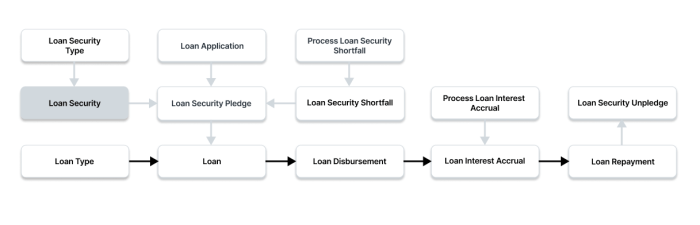
The Loan-to-Value (LTV) ratio is a critical factor in determining loan security. It is a financial term used by lenders to assess the risk of a loan by comparing the loan amount to the appraised value of the collateral provided by the borrower.When lenders evaluate a loan application, they consider the LTV ratio to determine the level of risk involved.
A higher LTV ratio indicates a higher risk for the lender as it means that the borrower is borrowing a larger percentage of the property's value.
Significance of LTV Ratio
- The LTV ratio influences the amount of loan offered by lenders. A lower LTV ratio typically results in a lower interest rate and better loan terms, as it signifies a lower risk for the lender.
- Conversely, a higher LTV ratio may lead to higher interest rates and more stringent loan conditions, as it poses a greater risk for the lender in case of default.
Impact on Loan Security
- In a practical scenario, let's consider a borrower applying for a mortgage with an LTV ratio of 80%. This means that the borrower is requesting a loan amount equal to 80% of the property's appraised value. The lender may be more willing to approve the loan due to the lower risk associated with a lower LTV ratio.
- On the other hand, if the same borrower applies for a mortgage with an LTV ratio of 95%, the lender may view this as a higher-risk loan and could impose stricter terms, such as higher interest rates or additional collateral requirements, to mitigate the risk.
Concluding Remarks
In conclusion, grasping the nuances of loan security is pivotal in navigating the world of finance with confidence. By understanding the various aspects discussed, individuals can make informed decisions when it comes to securing loans and mitigating risks.
FAQ Section
What assets can be used as loan security?
Assets such as real estate, vehicles, equipment, or investments can be used as loan security.
How does the loan-to-value ratio impact loan security?
The loan-to-value ratio influences the amount of loan offered by lenders, with higher ratios posing greater risks.
What are the risks associated with different types of loan security?
Risks vary depending on the type of asset used as security, with tangible assets offering more security compared to intangible assets.